What is BESS? Connection solutions for Battery Energy Storage System
Battery Energy Storage Systems (BESS) play a critical role in optimizing the use of electrical power in a world that is increasingly dependent on electricity. This solution enables smarter energy management by responding rapidly to fluctuations in electricity supply and demand.
-
1What is a BESS system? The role of BESS
-
2Components of the BESS- Batteries
-
3Components of BESS - BMS
-
4Components of BESS - PCS/inverter
-
5Components of BESS - SCADA system
-
6Components of BESS - EMS
-
7Applications of the BESS system
-
8BESS solutions for residential applications
-
9BESS solutions for C&I
-
10Connection technology for BESS - DC cables
-
11Connection technology for BESS - AC cables
-
12Connectivity technology for BESS - RS485, bus cables
-
13Connection technology for BESS - Medium-voltage, DLO cables
-
14Connection technology for BESS - Cable harnessing
-
15Connection technology for BESS - Cable accessories
1. Overview BESS
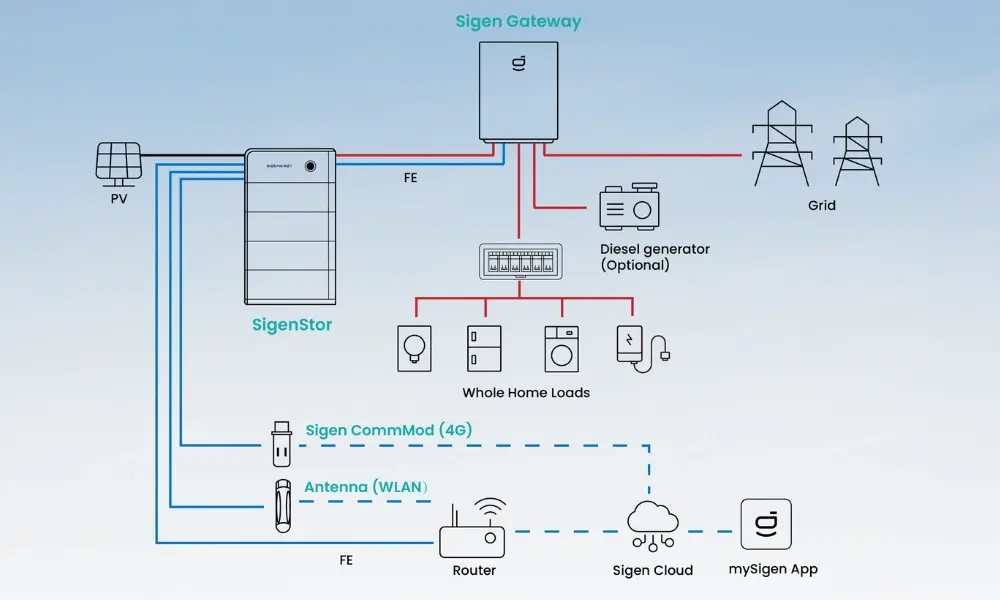
The BESS system helps store, coordinate, and optimize renewable energy sources.
1.1 What is BESS?
A Battery Energy Storage System (BESS) is an advanced energy storage technology widely applied in renewable energy integration and modern power grid operations. Within the power and energy industry, this system is commonly referred to simply as BESS or BESS batteries.
At its core, a BESS is an integrated system designed to store and dispatch electricity using electrochemical battery units. Electrical energy is converted into chemical energy for storage and then converted back into electrical energy when required. Thanks to this operating principle, BESS plays a vital role in stabilizing power systems, optimizing the use of renewable energy sources, and enhancing the reliability of electricity supply.
Today, BESS is no longer just an energy storage solution - it has become a strategic component of smart grids. It enables efficient interaction between renewable power generation, electricity markets, and end-user loads. This technology marks a fundamental transition from the traditional “instant consumption” model of electricity to a new one where energy can be stored, managed, and optimized - paving the way for a more stable, flexible, and sustainable energy system.
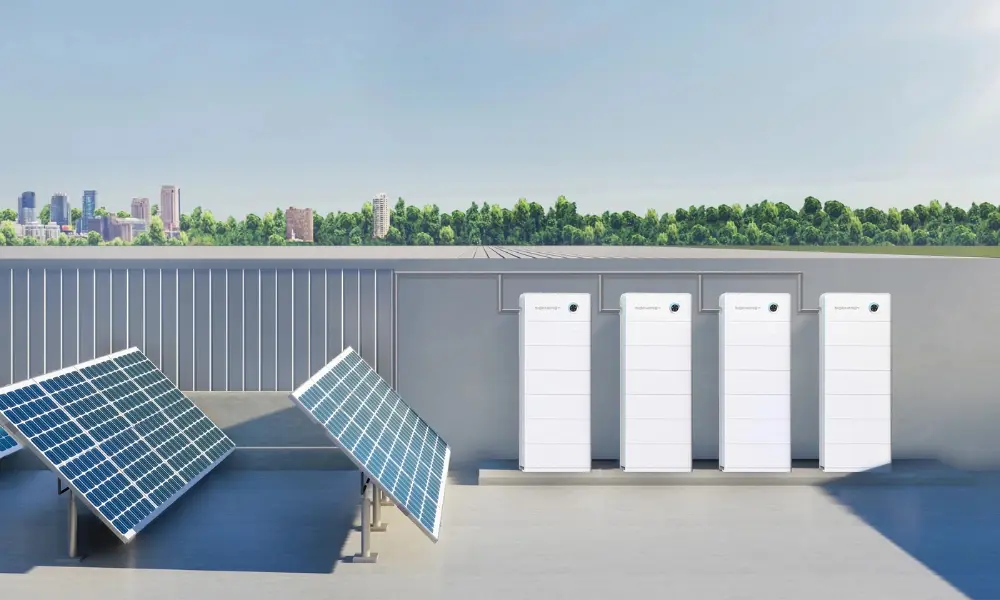
PV + BESS system, providing a more stable and continuous power supply, reducing dependence on the grid
1.2 The role of the BESS energy storage system
- Optimizing renewable energy utilization: BESS enables the storage of surplus electricity during periods of high generation and discharges power when demand increases or generation declines (e.g. at night or during cloudy conditions). By integrating PV + BESS, electricity supply becomes more stable and continuous, reducing reliance on the power grid, increasing self-consumption of renewable energy, and optimizing electricity costs.
- Supporting grid stability: BESS responds rapidly to load fluctuations, contributing to frequency and voltage stabilization. In off-grid systems, BESS increases the share of renewable energy while reducing dependence on diesel generators. Excess power from solar or wind sources can be stored and used flexibly, ensuring a stable power supply while lowering operating costs and emissions.
- Providing backup power: The combination of solar energy and BESS ensures continuous power supply during grid outages or disturbances. This is particularly critical for factories, hospitals, data centers, and cold storage facilities, where power interruptions can lead to significant economic losses and safety risks.
- Reducing CO₂ emissions: By maximizing the use of renewable energy and minimizing clean energy curtailment, BESS reduces the need for fossil fuel-based power generation, contributing to lower CO₂ emissions.
- Delivering economic benefits: Storing renewable energy during periods of high generation and using it during peak demand helps reduce fuel, operational, and maintenance costs, while improving long-term investment efficiency.
3. Components of BESS
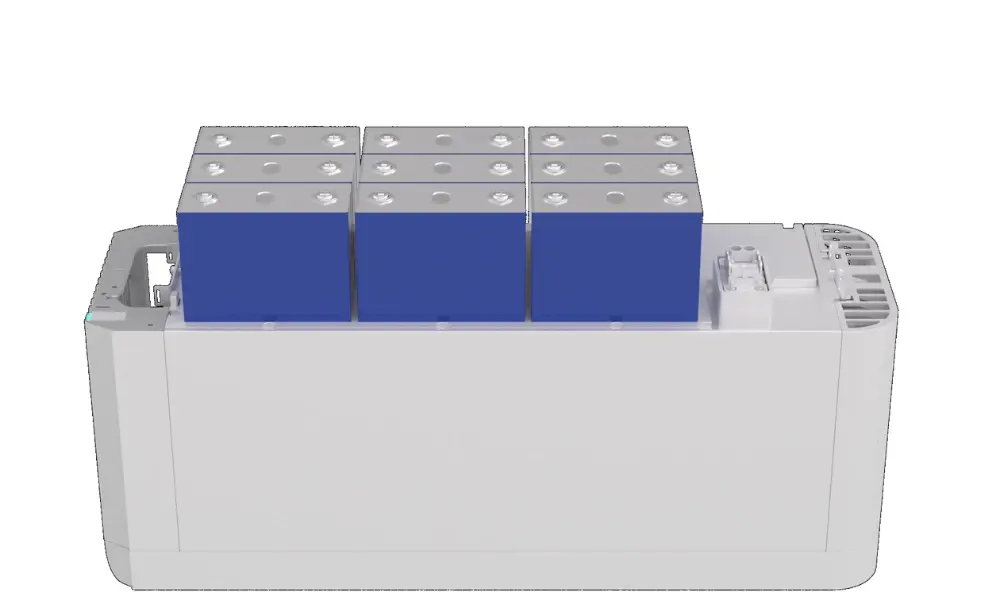
Solar energy storage battery
A standard BESS consists of multiple key components that work closely together to store electrical energy, monitor battery conditions, and control energy flows between the batteries, generation sources, loads, and the power grid. This coordinated integration enables precise energy management, fast response to demand fluctuations, and seamless integration with renewable energy sources such as solar and wind power.
3.1 Battery storage system
The battery storage system is the core component of a BESS, responsible for storing electrical energy and discharging it when required. A battery system is typically composed of lithium battery cells connected in series and parallel to form battery modules; multiple modules are then assembled into battery racks. These racks can be further connected in series or parallel to meet the overall voltage and current requirements of the BESS.
The configuration of the battery bank is specifically engineered for each project, based on key factors such as application requirements, storage capacity, charge/discharge power, as well as battery lifetime and operating cycles. This tailored design ensures efficient, stable operation and long-term cost optimization of the energy storage system.
3.2 Battery Management System (BMS)
The BMS is a critical component of a BESS, responsible for ensuring the safe, stable, and efficient operation of the batteries. The BMS continuously monitors key battery parameters such as voltage, temperature, and State of Charge (SoC), thereby preventing risks including overcharging, over-discharging, and thermal runaway.
In addition to monitoring, the BMS performs cell balancing, ensuring that all cells within a battery string are charged and discharged evenly. This maximizes usable capacity, improves overall system performance, and significantly extends battery lifetime. Furthermore, the BMS provides protection mechanisms against faults and abnormal operating conditions, and in many modern systems, it also enables remote monitoring and control.
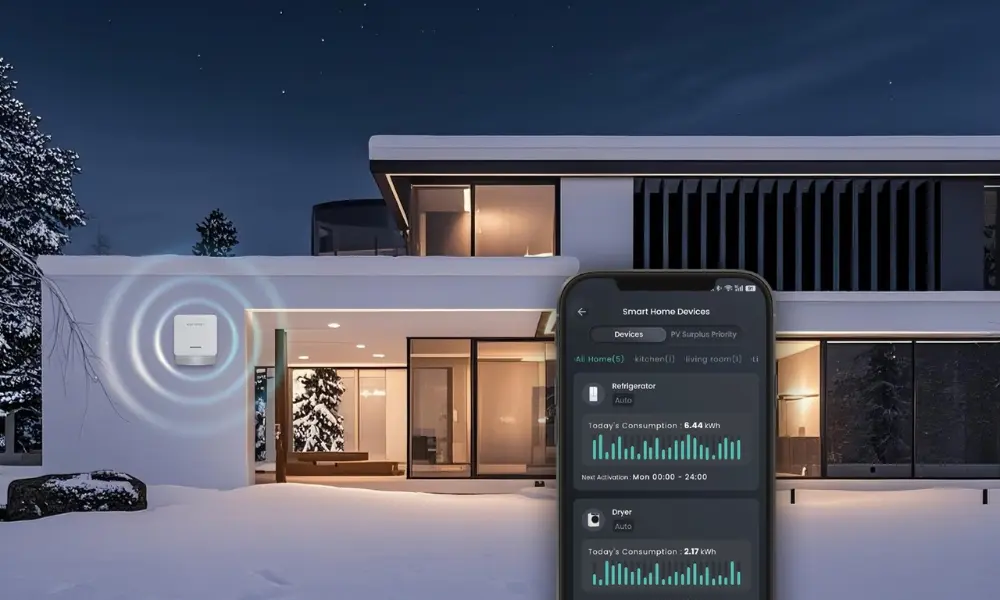
Hybrid inverter in BESS systems
3.3 Power Conversion System (PCS) or hybrid inverter
The inverter is another essential component of a Battery Energy Storage System. Its primary function is to convert the DC power stored in the batteries into AC power, making it suitable for grid interconnection or for supplying electrical loads.
Beyond energy conversion, the PCS or hybrid inverter performs several vital functions, including voltage and frequency regulation, power factor correction, and grid synchronization. These capabilities ensure that the BESS operates safely, reliably, and in compliance with grid codes and technical standards.
In BESS applications, particularly in combined solar PV and energy storage systems (solar + BESS) - there are two key PCS configurations to consider: AC-coupled and DC-coupled architectures.
- AC-coupled configuration: the BESS is connected externally on the AC side of the solar PV inverter. The battery system operates with its own dedicated battery inverter, independent of the PV inverter.
- DC-coupled configuration: the battery storage is connected directly to the same DC bus as the solar PV array, using a hybrid inverter shared by both PV and BESS. With this architecture, solar energy can be charged directly into the batteries without intermediate AC conversion.
3.4 Charge Controller
The charge controller is responsible for managing the battery charging process within a BESS. It regulates the charging current and voltage to ensure safe and efficient charging, while preventing conditions such as overcharging or undercharging - both of which can negatively affect battery performance and lifespan.
By controlling the charging process accurately, the charge controller not only protects the batteries but also enhances the utilization efficiency of renewable energy sources and improves the overall operational performance of the BESS.
3.5 HVAC system
The HVAC (Heating, Ventilation, and Air Conditioning) system is responsible for controlling and maintaining the internal temperature of the BESS. Without an effective HVAC system, battery cells may overheat, leading to performance degradation, operational faults, or even thermal instability.
3.6 Protection / Fire-alarm system
The fire protection system is a critical safety feature in BESS. It typically consists of highly sensitive smoke and heat sensors combined with gas-based fire suppression systems. This setup enables early detection and rapid response to thermal events or fire incidents occurring inside battery racks.
The primary objective of the fire protection system is to contain, cool, and extinguish fires at an early stage, preventing thermal propagation between battery modules. By doing so, it significantly reduces safety risks, protects valuable equipment, and ensures the safe and stable operation of the entire BESS.
3.7 SCADA (Supervisory Control and Data Acquisition)
SCADA is the central monitoring and control system of a BESS, enabling the management of all system components through a Programmable Logic Controller (PLC). The SCADA system directly interfaces and communicates with the BMS, PCS/hybrid inverter, as well as auxiliary metering and measurement devices.
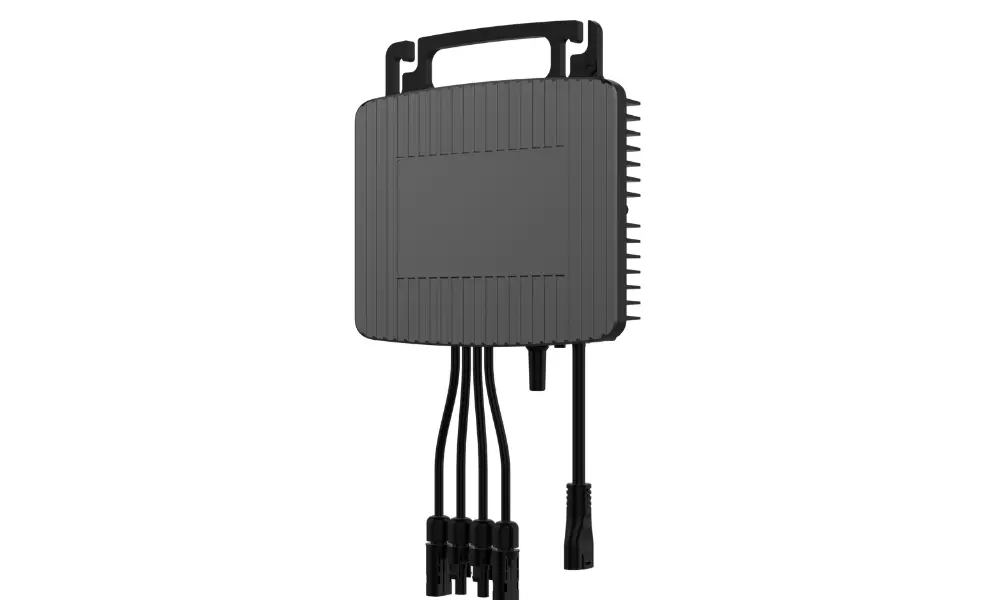
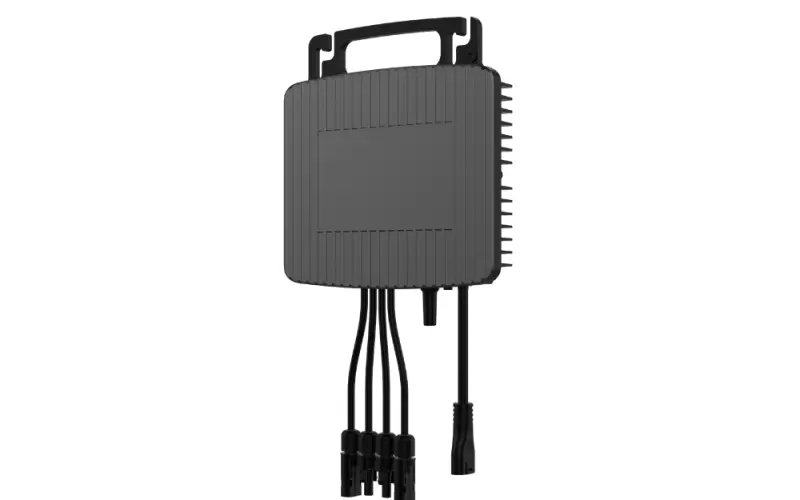
Sigen Micro Inverter with integrated EMS, no network gateway required
3.8 Energy Management System (EMS)
The EMS is a high-level monitoring and control system that plays a central role in supervising the operating status and performance of BESS. It collects data from key sensors and components such as battery voltage, current, temperature, and operating states, and provides real-time visibility of the entire system.
The EMS enables remote access and control, allowing operators to optimize charging and discharging strategies, quickly detect and resolve faults, and adjust operating parameters to meet actual load and system requirements. In addition, the EMS plays a critical role in predicting battery lifespan and scheduling maintenance activities, thereby enhancing the long-term reliability and operational efficiency of the BESS.
4. Applications of Battery Energy Storage System

Applications of residential BESS storage systems
BESS are widely deployed across various sectors, depending on load scale, application objectives, and the point of interconnection with the power grid.
4.1 Residential applications
Residential BESS are typically installed in detached houses, townhouses, or multi-home residential areas, most commonly in combination with rooftop solar PV systems. Due to relatively low load demand, battery capacity in this segment is usually small and designed to meet basic household energy needs.
Features:
- Power capacity: 5 - 15 kW
- Applications: Detached houses, townhouses, residential clusters
- Typically integrated with rooftop PV systems
- Main objectives: Self-consumption of stored energy and backup power during grid outages
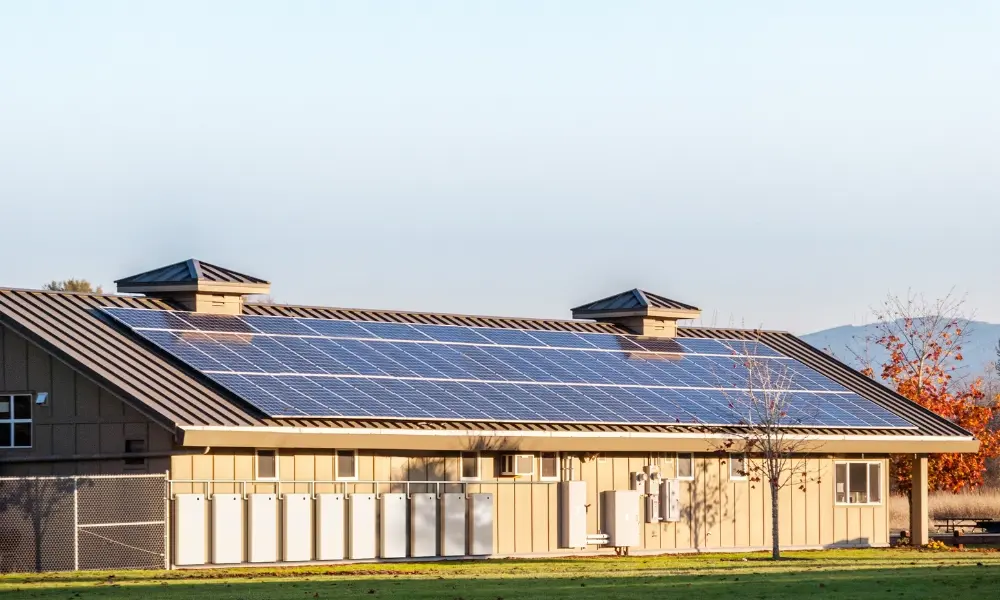
Small-scale C&I BESS system
4.2 Small-scale C&I BESS
This segment includes office buildings, farms, and multi-unit dwellings, where electricity demand is higher than residential loads but does not reach large industrial scale.
Key characteristics:
- Power capacity: 0.1 - 1 MW
- Suitable for: Office buildings, farms, multi-unit residential complexes
- Primary focus: Peak shaving, electricity cost optimization, and backup power
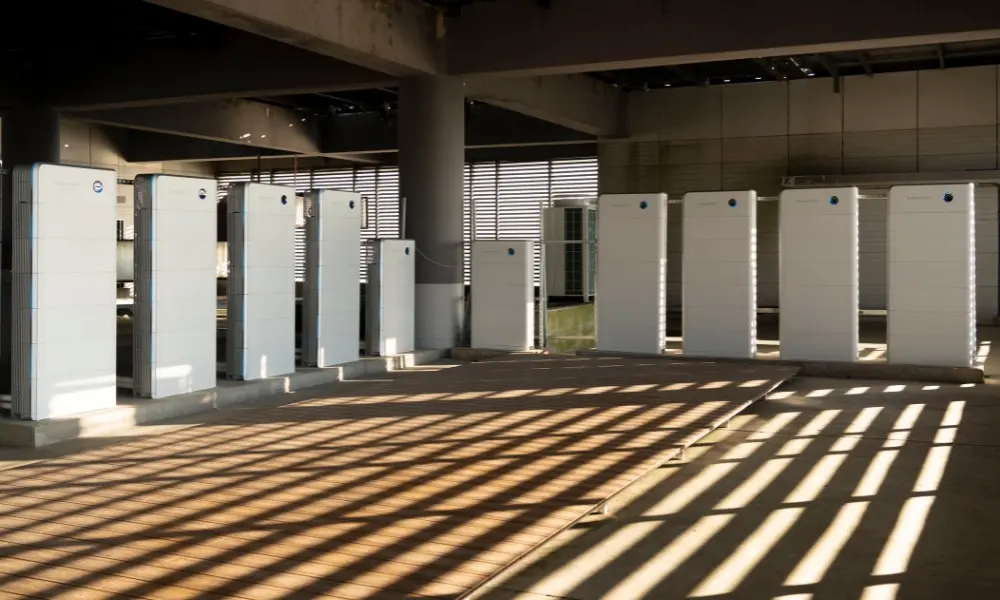
Large-scale C&I storage battery system
4.3 Large-scale C&I BESS
This segment targets factories, industrial parks, and large public facilities, where electricity plays a critical role in production and continuous operation.
Key characteristics:
- Power capacity: 1 - 5 MW
- Applications: Manufacturing plants, industrial zones, large public infrastructures
4.4 Utility-scale BESS (Front-of-the-Meter BESS)
Utility-scale BESS are installed as standalone systems, independent of electricity-consuming facilities, and are directly connected to the national or regional grid. These systems can be deployed as standalone assets or integrated with renewable power plants such as solar or wind farms.
Key characteristics:
- Power capacity: 5 - 300 MW
- Directly connected to the national power grid
- Applications: Supply - demand balancing, grid stabilization, energy arbitrage, and system-level backup
5. Solutions for BESS systems
Under increasing pressure to reduce carbon emissions and ensure grid stability in the face of fluctuations and disturbances, power system operators are placing greater emphasis on investing in renewable energy infrastructure integrated with energy storage. In this context, BESS solutions play a critical role in enhancing flexibility across electricity generation, transmission, and consumption.
The energy storage solutions provided by Sigenergy help optimize power capacity allocation throughout the entire energy value chain, meeting the growing demand for alternative and sustainable energy sources.
5.1 BESS solutions for residential applications
For residential and household applications, energy storage systems are designed to be compact, easy to install, and typically integrated with hybrid inverters to deliver a comprehensive storage solution. The residential product portfolio includes:
- SigenstorBAT battery: Use high-reliability LFP cells and integrate industry-leading protection systems. Key advantages include up to 10,000 charge - discharge cycles and enhanced safety with five layers of protection, setting a new benchmark for battery safety. Power ratings: 5, 6, 8, 10 kW.
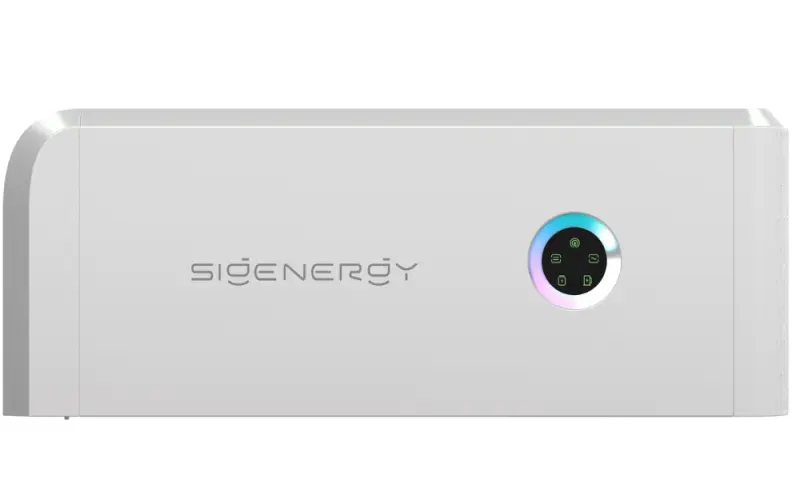
- Sigen Hybrid Inverter: This hybrid inverter not only converts solar power from DC to AC but is also designed to be future-ready for BESS expansion. When integrated with energy storage, it functions as the central control unit of the system, simultaneously acting as the Power Conversion System (PCS) and Energy Management System (EMS). This enables intelligent charging - discharging optimization and efficient energy management.
- Sigen Micro Inverter: This product line incorporates advanced Dual Active Bridge (DAB) technology, delivering industry-leading efficiency. In addition, the inverter integrates an EMS, eliminating the need for an external network gateway.
- Sigen Energy Controller: Converts DC power into AC for household consumption and supports integration with an EMS, enabling intelligent energy control and monitoring.
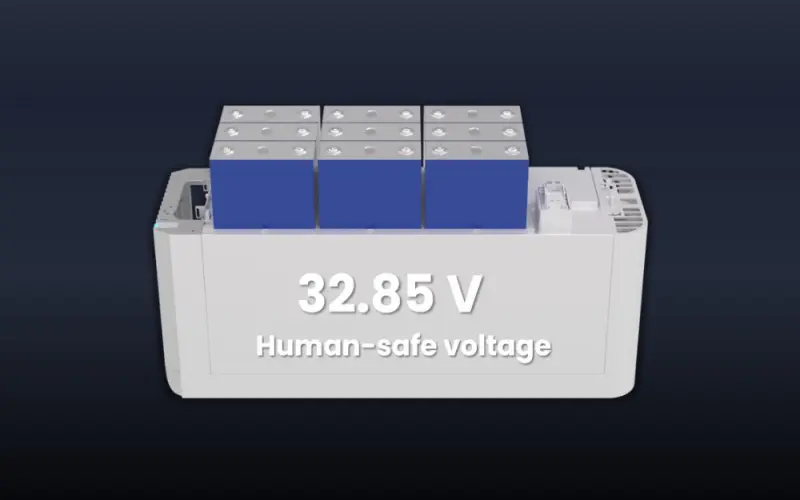
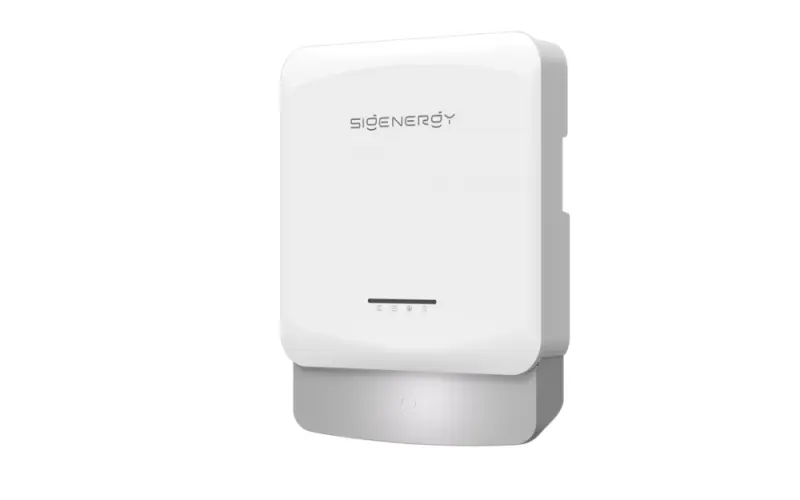
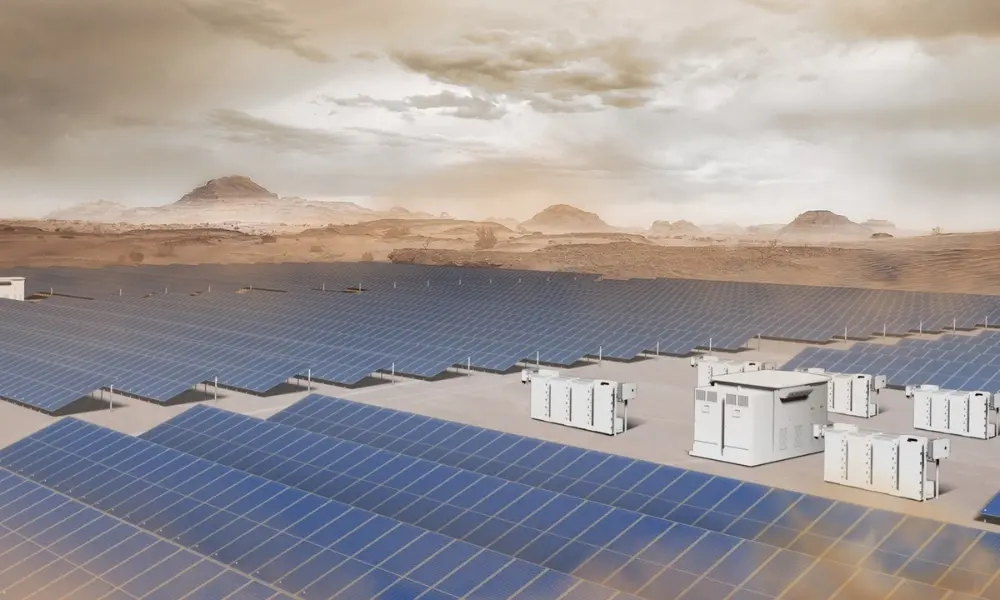
BESS storage solution for C&I
5.2 Solutions for C&I BESS
In C&I settings, BESS plays a crucial role in optimizing electricity consumption, ensuring a stable power supply, and improving overall economic efficiency. C&I BESS solutions are designed with high flexibility to support a wide range of operating scenarios:
- Grid-connected PV + ESS: This solution integrates an EMS that enables multiple inverters to operate in parallel without the need for external data logging devices, thereby simplifying system architecture and enhancing reliability. With a true DC-coupled architecture and battery-ready interfaces, the system maximizes energy conversion efficiency while reducing CAPEX, O&M costs, and improving long-term operational performance.
- Microgrid PV + ESS: By using a gateway to connect multiple devices in parallel, the system can be flexibly scaled from kilowatt-level to megawatt-level, making it suitable for a wide range of enterprises and industrial parks. The DC-coupled microgrid architecture simplifies system design, improves conversion efficiency, and delivers an energy solution that is efficient, cost-effective, and sustainable for businesses.
Dedicated products for C&I applications include:
- Sigen PV Inverters and Sigen Hybrid Inverters available in multiple power ratings:
50.0 / 60.0 / 80.0 / 100.0 / 110.0 / 125.0 kW - SigenStack: an advanced modular energy storage system
- Sigen Energy Gateway: designed for Sigen C&I Inverters, enabling parallel connection of multiple SigenStor units for microgrid applications
6. Cables and connection technology for BESS
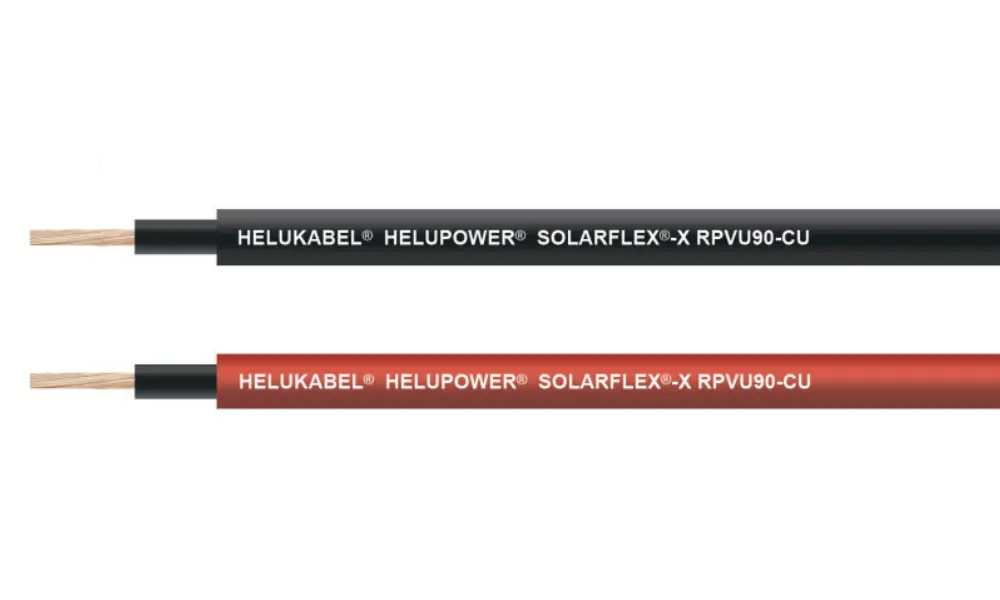
HELUPOWER® SOLARFLEX®-X RPVU90-CU DC cable
In a BESS, the battery is often considered the core component. However, for the entire system to operate in a stable, safe, and efficient manner, electrical cables and connection technologies function as the energy circulation system, ensuring that high-power electrical currents are transmitted accurately and reliably between the battery, power conversion equipment, and the grid.
6.1 DC cables
DC cables are widely used in battery-based energy applications, including solar energy storage systems, uninterruptible power supplies (UPS), and electric vehicles (EVs). These applications require high-performance and highly reliable DC cables to ensure stable power transmission from energy storage batteries to connected loads.
In solar energy systems, DC cables are responsible for transmitting power from PV modules to the energy storage batteries, and subsequently from the batteries to the inverter, where DC power is converted into AC power for use in residential, commercial, or industrial applications.
Some DC cable products with rated voltages up to 2000V from HELUKABEL, such as HELUPOWER® SOLARFLEX®-X RPVU90-CU , HELUPOWER® SOLARFLEX®-X RPVU90-AL
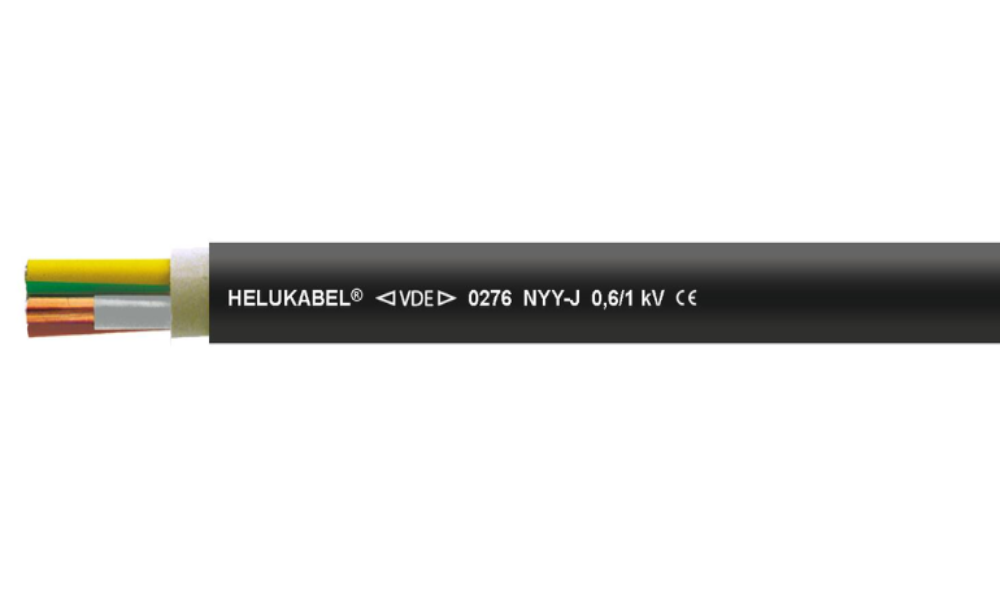
NYY-J / NYY-O cable
6.2 AC cables
AC cables are used to connect inverters to transformers and then connect to the power grid. Some typical AC cable products include NYY-J / NYY-O, HELUPOWER® H07RN-F LS0H, NSGAFÖU 1.8/3 kV...
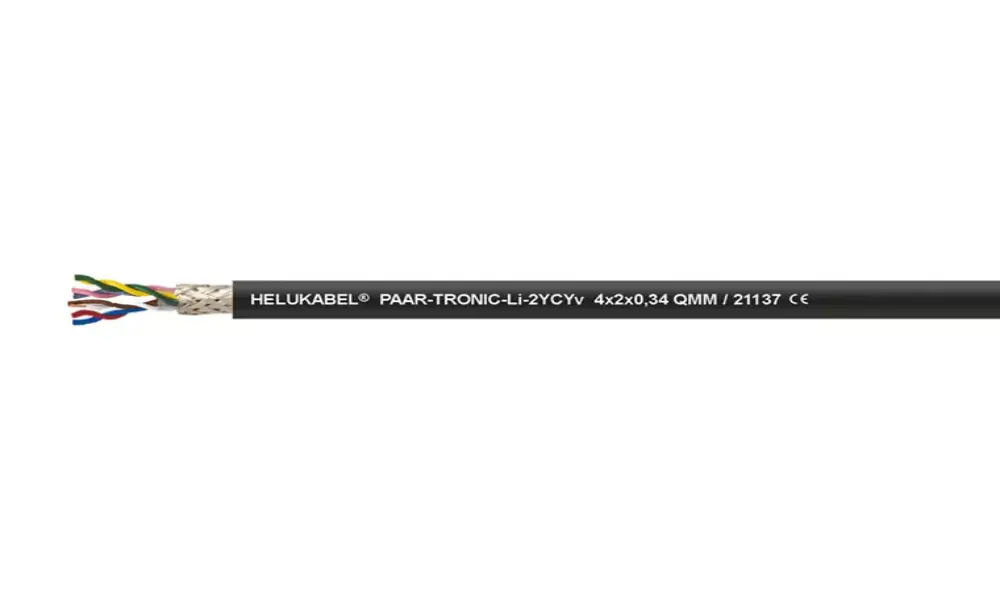
PAAR-TRONIC-Li-2YCYv RS485 cable
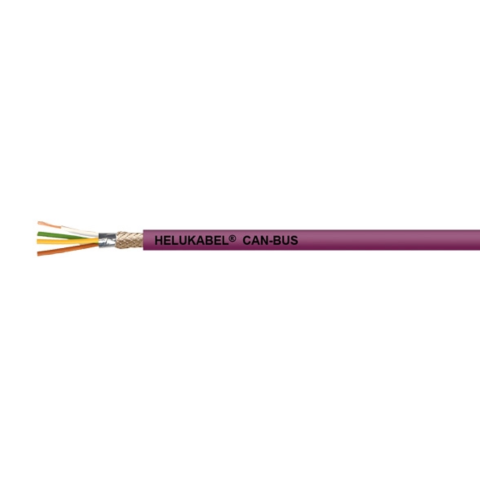
6.3 Communication cables (RS485, Ethernet, CAN Bus)
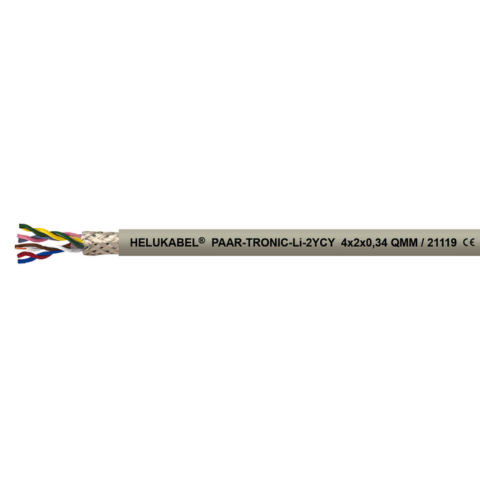
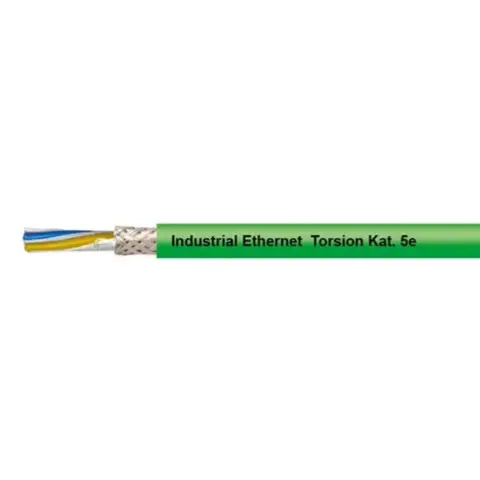
Communication cables are an essential component of modern energy storage systems, enabling reliable data exchange between various system elements such as battery modules, inverters, controllers, and monitoring systems. Through these communication networks, the entire BESS can be monitored in real time, data can be transmitted continuously, and system operations can be controlled accurately, ensuring safe, stable, and efficient operation.
Several types of communication cables are commonly used, including:
- Ethernet cables: Widely used for high-speed data transmission between devices within the system, particularly suitable for connections to SCADA systems, EMS platforms, and centralized monitoring solutions.
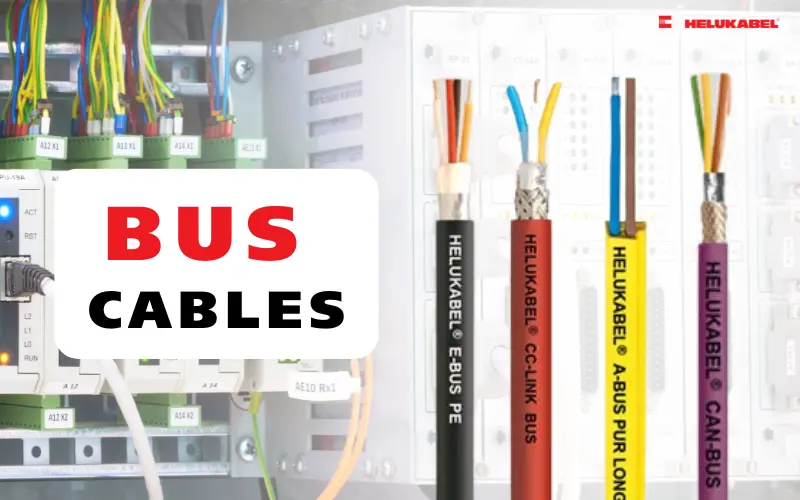
- RS485 cables: Enable long-distance signal transmission with high stability and strong resistance to EMI.
- Fiber optic cables: Used for high-bandwidth communication and long-distance data transmission with minimal signal loss.
- CAN bus cables: Commonly applied in electric vehicle systems, battery management systems, and solar energy storage applications.
Medium voltage cable N2XS2Y
6.4 Other cable solutions for BESS systems
- DLO cable: HELUWIND® WK DLO, WK DLO-Torsion with voltage up to 2000 V
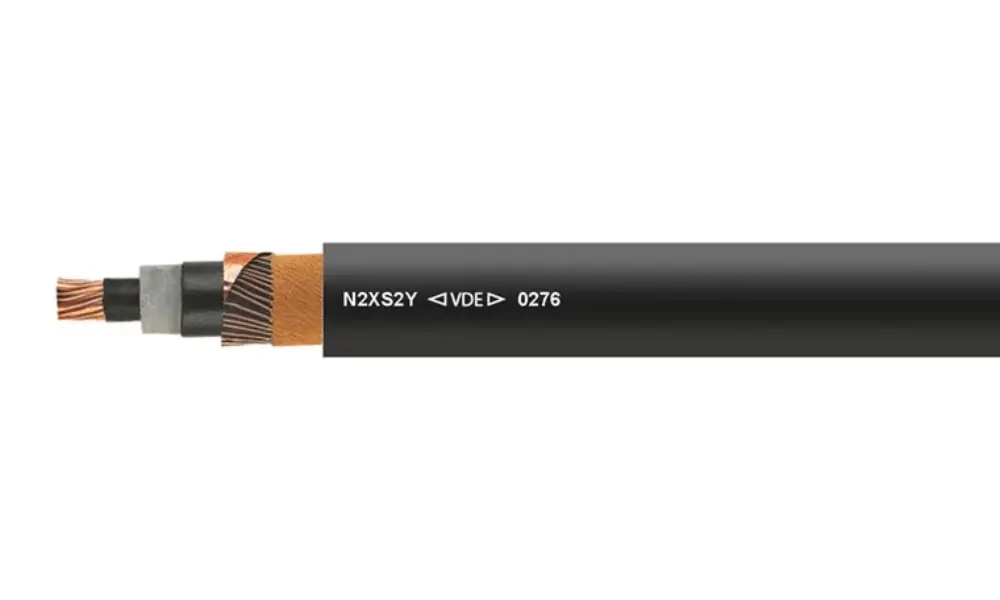
- Medium-voltage cables for power supply to the power grid: N2XS2Y, N2XS(F)2Y, NA2XS(FL)2Y
- Cables for control centers and HVAC systems: TRAYCONTROL® 300 TP & 300-C TP , TRAYCONTROL® 600 & 600-C , TRAYCONTROL® 670 HDP & 670-C HDP , TOPFLEX® 600 VFD & 650 VFD
Solar harnessing solutions
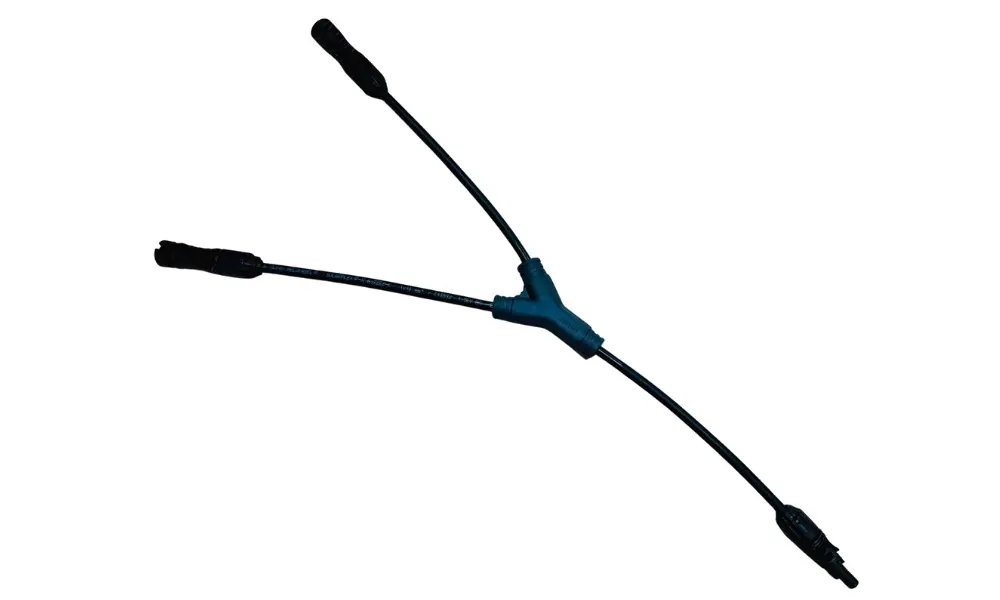
6.5 Harnessing solutions
Harnessing solutions for BESS consist of pre-assembled cable sets, in which the cables are fully equipped with standardized connectors and cable lugs in accordance with technical specifications. The cable lugs are pre-torqued to the specified tightening values, and combined with plug-and-play connectors, allowing engineers to simply plug in and connect the system on site. This approach significantly reduces installation errors, improves electrical reliability, and shortens installation time during commissioning.
In large-scale BESS projects, modular harness systems enable the parallel installation of multiple battery strings. As a result, labor costs are reduced, system downtime is minimized, and greater flexibility is achieved for future system expansion, maintenance, or replacement.
HELU-S-PK-AL-FG-VZN aluminum terminal
6.6 Cable accessories for BESS applications
- Cable terminations: In BESS applications, cable terminations must operate reliably under high current and high voltage conditions, while effectively preventing risks such as arc discharge, overheating, or moisture ingress, all of which could lead to serious system failures if not properly controlled.
- Cable glands: Provide mechanical protection for cables, preventing the ingress of dust, moisture, and other contaminants. They are designed to withstand the harsh operating environments typically found in BESS installations.
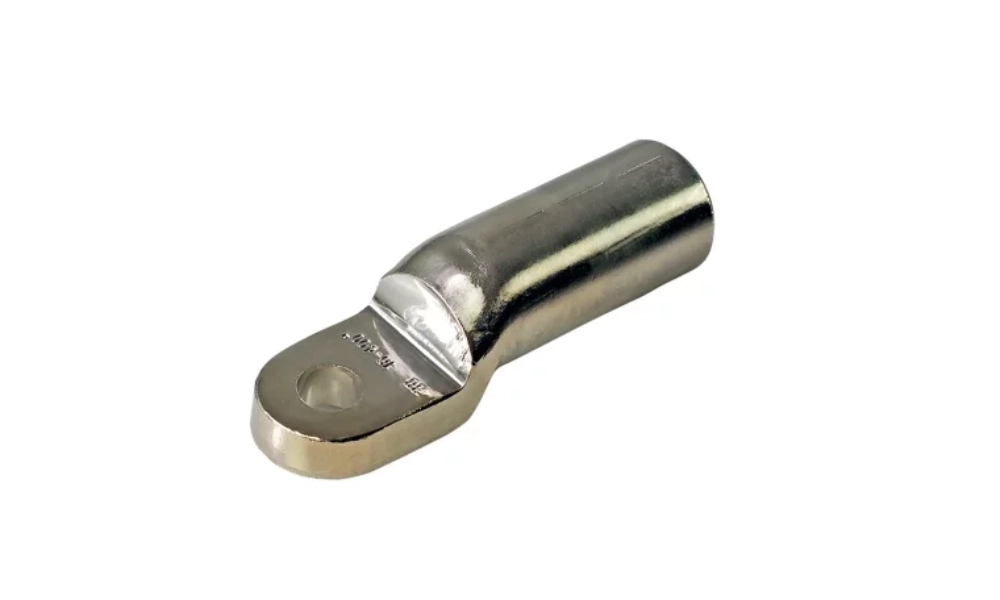
- Cable lugs: excellent mechanical strength and resistance to environmental conditions. Typical HELUKABEL solutions include: HELU-S-PK-AL-FG-VZN (909853), HELU-S-PV-AL/CU (9087836), HELU-S-PK-AL/CU (907568)
- Cable conduits: UV-resistant, halogen-free corrugated conduits specifically designed for PV and energy storage systems: CO-PA, CO-PP
Explore our cable accessories for BESS: Cable glands | Cable lugs | Conduit
If you still have questions, don't hesitate to contact HELUKABEL Vietnam's team of engineers for detailed answers.
Contact Information HELUKABEL Vietnam
| HELUKABEL Vietnam 905 Nguyen Kiem Street, Hanh Thong Ward, Ho Chi Minh City, 700000, Vietnam | Phone:
+84 28 77755578 Email: info@helukabel.com.vn | Connect with us on |
| Order through our online channels Tiki | Shopee | Lazada | Product finder | ||